
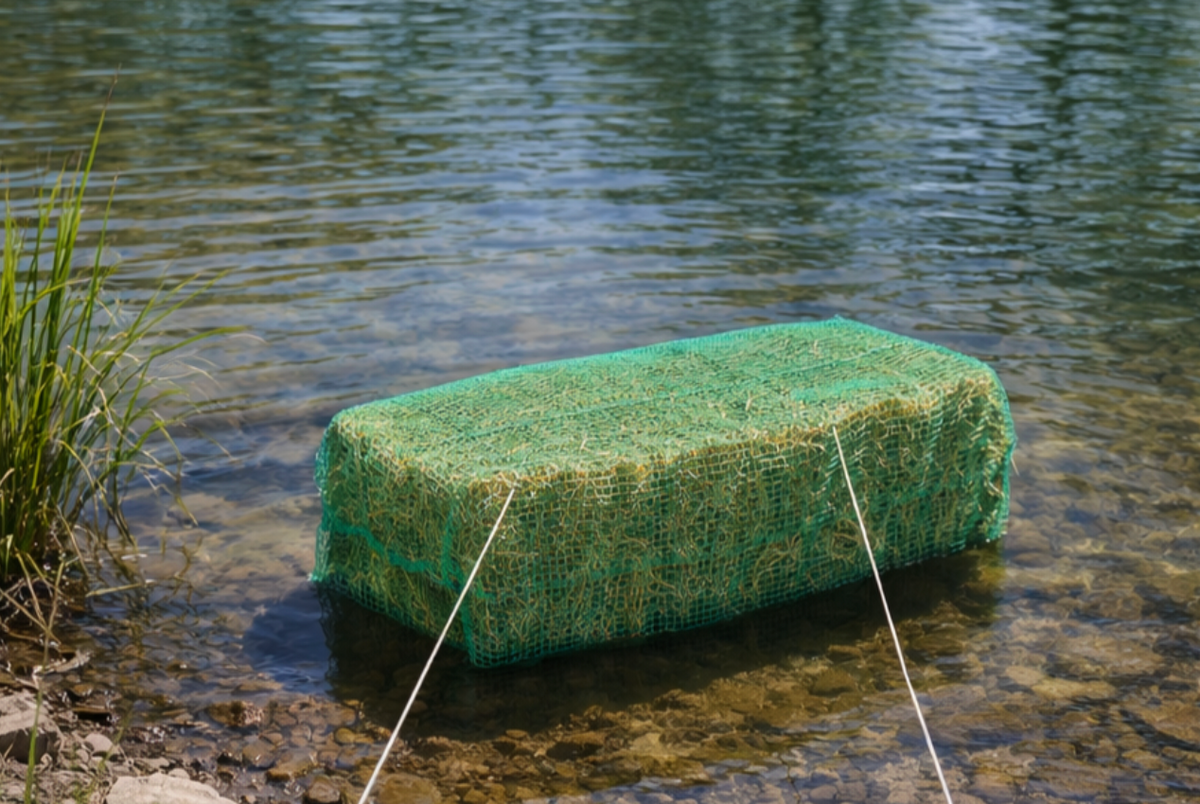
Barley straw has been a go-to natural algae preventive for pond owners for years, and for good reason: it's simple, effective, and doesn't involve chemical treatment. But it doesn't work forever. As barley straw breaks down in the water, it gradually loses the ability to release the natural compounds that keep new algae from taking hold, and once it's spent, it's just sitting there doing nothing. If you started a bale or liquid treatment back in early spring the way most pond owners do, right now, in fall, is when that batch has run its course and needs to be swapped out. Getting the timing right matters more than most people realize, since it's the difference between your pond staying protected straight through winter or losing ground right before the next algae season starts building.
When Should You Replace Barley Straw?
About every six months, so if you put a bale or liquid barley treatment in your pond back in early spring, right now is the swap. Replacing it now means the new batch is actively working through fall and winter, putting your pond ahead of algae season instead of starting from zero next spring.
How Does Barley Straw Actually Work?
As barley straw decomposes in the water, it releases natural compounds that inhibit new algae growth. It's worth being clear about what that means: barley straw doesn't kill algae that's already there, it works as a preventive, stopping new algae cells from taking hold in the first place. That's why timing matters so much, it needs to already be working before algae season ramps up, not applied as a reaction once a pond is already green.
Why Swap It in Fall Instead of Just Leaving It?
Once barley straw has broken down, it stops producing the compounds that keep algae in check, and a fully spent bale sitting in the water isn't doing anything for your pond anymore. Swapping to a fresh batch in fall keeps that protection running continuously through the colder months. Since barley straw takes longer to become active in cold water than in warm water, getting it in place now, while temperatures are still on the way down rather than already at their coldest, gives it the head start it needs to be fully working by the time algae would otherwise start creeping back in early spring.
What Happens If You Skip the Fall Swap?
Nothing dramatic happens overnight, but your pond loses its ongoing algae prevention right when the old straw runs out, and it won't have anything actively working again until you start a fresh batch. That gap is exactly when a pond can lose the head start barley straw is supposed to provide, meaning next spring's algae bloom shows up on schedule instead of being held back the way a continuously maintained barley program is designed to prevent.
Bales or Liquid: Which Should You Use?
Both work the same way, just in different forms. Barley straw bales are the traditional option, generally sized around one bale per 1,000 square feet of surface area, and they're a good fit if you already have a bale in place and just need a fresh one. Liquid barley extract delivers the same active compounds without needing to place and eventually remove a physical bale, which some pond owners prefer for easier dosing and a cleaner appearance. Either way, treating your pond now sets up the same fall-through-spring protection window.
Not Sure How Much Barley Straw Your Pond Needs?
Click the Ask Our Pond Pro button in the bottom right corner of any page on thepondshop.com and tell us your pond's size. We'll help you figure out the right amount and format for your setup.
Call: (800) 527-9420 Email: sales@thepondshop.com
Related Reading from The Pond Shop
FAQ
How often should I replace barley straw in my pond? About every six months. If you started a bale or liquid treatment in early spring, fall is the right time to swap it out so protection continues through winter and into next spring.
Does barley straw kill existing algae? No. Barley straw is a preventive treatment that stops new algae cells from forming as it decomposes. It doesn't clear algae that's already established, that requires a direct treatment like an algaecide.
Should I use barley straw bales or liquid barley extract? Both use the same active compounds and work the same way. Bales are the traditional option, generally sized around one bale per 1,000 square feet of surface. Liquid barley extract offers easier dosing without placing a physical bale in the pond.
What happens if I don't replace my barley straw in fall? Once barley straw is fully decomposed, it stops releasing the compounds that prevent algae growth. Skipping the fall swap means your pond loses that ongoing protection heading into next year's algae season.


